
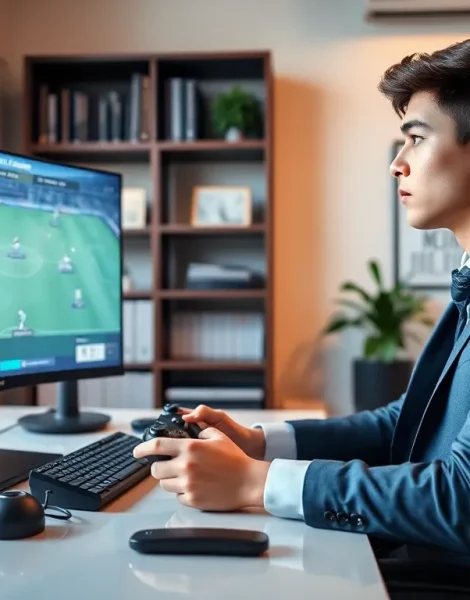
A solid FIFA guide can transform casual players into serious competitors. Whether someone is struggling to score goals or constantly conceding on defense, the right strategies make all the difference. FIFA rewards players who understand its mechanics, build smart teams, and practice with purpose. This guide covers everything from basic controls to advanced tactics. Players will learn how to attack effectively, defend with confidence, and develop skills that translate into more wins. Let’s break down the fundamentals that separate good FIFA players from great ones.
Table of Contents
ToggleKey Takeaways
- A comprehensive FIFA guide covers essential controls, team building, attacking strategies, and defensive techniques to elevate your gameplay.
- Mastering basic skills like passing, shooting mechanics, and simple skill moves (ball roll, drag back, fake shot) builds a strong foundation for competitive play.
- Chemistry matters more than individual player ratings—an 85-rated player with 10 chemistry outperforms an 88-rated player with 4 chemistry.
- Effective attacking requires patience, possession play, and using triggered runs to stretch defenses and create scoring opportunities.
- Strong defense relies on manual tackling, jockeying with LT/L2, and maintaining compact positioning rather than depending on AI alone.
- Deliberate practice through skill games, replay analysis, and learning from professional players accelerates improvement faster than casual play.
Mastering Basic Controls and Mechanics
Every FIFA guide starts with the basics because they matter most. Players who skip fundamentals struggle against experienced opponents.
Passing and Movement
Short passes (A/X) build possession and create openings. Through balls (Y/Triangle) send teammates into space behind defenders. Lob passes work best for switching play across the field. Smart players mix all three types to keep opponents guessing.
The left stick controls player movement, but subtle touches beat aggressive sprinting. Holding sprint constantly burns stamina and reduces ball control. Instead, use bursts of speed at the right moments.
Shooting Mechanics
Power matters, but placement wins games. Finesse shots (RB/R1 + shoot) curl the ball into corners. Low driven shots stay grounded and beat diving keepers. Timed finishing adds power when executed correctly, hit the shoot button again as the player strikes the ball.
Skill Moves
Beginners should master three skill moves first: the ball roll, drag back, and fake shot. These simple techniques create separation from defenders without requiring perfect timing. Advanced players can add stepovers, elasticos, and skill cancels to their repertoire.
Spending time in the practice arena pays dividends. Ten minutes drilling these FIFA guide basics before playing online improves performance immediately.
Building a Winning Team
Team building determines success in Ultimate Team and Career Mode. A FIFA guide wouldn’t be complete without squad construction advice.
Chemistry Matters
Players perform better with high chemistry. Links form through shared nationality, league, and club. A 85-rated player with 10 chemistry outperforms a 88-rated player with 4 chemistry. Always check chemistry before finalizing lineups.
Formation Selection
Popular formations include 4-3-3, 4-2-3-1, and 4-1-2-1-2 (narrow). Each formation suits different playstyles:
- 4-3-3 provides width and wing play
- 4-2-3-1 offers defensive stability with attacking options
- 4-1-2-1-2 narrow creates central overloads
Players should experiment with formations in Squad Battles before taking them online.
Player Attributes to Prioritize
Pace remains important, but it’s not everything. Look for these stats:
- Strikers: Finishing, positioning, shot power
- Midfielders: Passing, stamina, vision
- Defenders: Defensive awareness, standing tackle, strength
- Goalkeepers: Reflexes, diving, positioning
Balancing the squad with complementary players creates a FIFA guide-worthy team that competes at any level.
Effective Attacking Strategies
Scoring goals requires patience and creativity. This FIFA guide section reveals attacking tactics that work against any opponent.
Possession Play
Rushing attacks invites turnovers. Smart players pass backward and sideways to pull defenders out of position. Once gaps appear, quick forward passes exploit them. Aim for 55-60% possession in competitive matches.
Creating Space
Triggered runs (LB/L1) send teammates forward. This stretches defenses and opens passing lanes. Combine triggered runs with through balls for dangerous opportunities.
Player switching (LB/L1 + right stick) lets attackers make runs without the ball. This FIFA guide technique confuses AI defenders and creates 2v1 situations.
Finishing in the Box
Inside the penalty area, composure beats power. Finesse shots from angles work consistently. Near post shots catch keepers off guard. Ball rolls before shooting create cleaner strike opportunities.
Cross-heavy strategies require practice. Aim for the back post with driven crosses, or use early crosses to catch defenders before they set their positions.
Defensive Techniques That Work
Defense wins championships in FIFA too. This FIFA guide section covers techniques that shut down opponents.
Manual Defending
AI defending alone won’t stop good players. Manual tackles using the standing tackle button (B/Circle) recover possession cleanly. Slide tackles (X/Square) should be last resorts, they leave players on the ground and create gaps.
Jockeying
Holding LT/L2 makes defenders jockey, which keeps them balanced and goal-side. Jockeying slows attackers and forces mistakes. Combine jockeying with teammate contain (RB/R1) to apply pressure without overcommitting.
Defensive Positioning
Stay compact in the middle of the pitch. Pulling center backs out of position creates easy scoring chances for opponents. Let defensive midfielders do the pressing while the back line holds shape.
Tracking Runs
Switch to the nearest defender when opponents make through ball passes. Manual switching (right stick) gives better control than auto-switching. Anticipate passes rather than reacting to them.
This FIFA guide defensive approach frustrates opponents and forces them into low-percentage shots.
Improving Your Skills Through Practice
Natural talent only goes so far. Deliberate practice separates average players from elite ones, and any FIFA guide worth reading emphasizes this truth.
Skill Games
The in-game skill games train specific abilities. Shooting drills improve finishing accuracy. Dribbling challenges develop ball control. Players should aim for high scores before moving to online matches.
Watching Your Replays
Losses teach more than wins. Reviewing replays reveals defensive mistakes and missed attacking opportunities. Pay attention to positioning errors and patterns opponents exploit.
Learning from Pros
Professional FIFA players stream on Twitch and post YouTube tutorials. Watching their gameplay shows advanced techniques in action. Notice how pros use custom tactics, make substitutions, and adjust formations mid-game.
Setting Practice Goals
Vague practice wastes time. Set specific objectives like “score 5 goals using timed finishing” or “defend for 10 minutes without conceding.” Track progress and celebrate improvements.
Consistent practice using this FIFA guide framework builds muscle memory. Skills that feel awkward today become second nature within weeks.


