
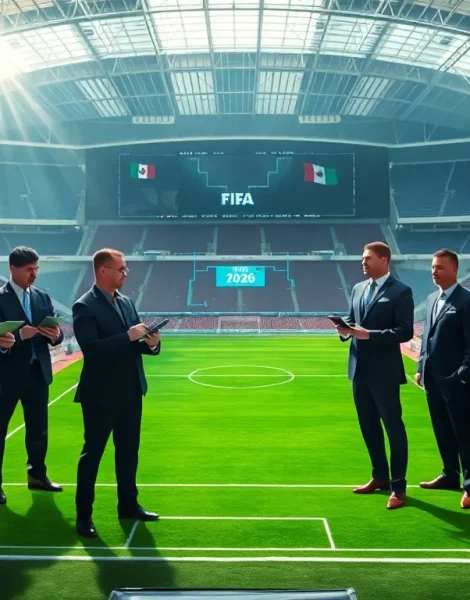
FIFA trends 2026 are shaping up to redefine international football. The upcoming World Cup marks the first time three nations, the United States, Canada, and Mexico, will co-host the tournament. With 48 teams competing across 16 cities, this event promises to be the largest and most ambitious in FIFA history.
Football fans have plenty to anticipate. New formats, emerging talent, and advanced technology will change how people watch and experience the game. This article breaks down the key FIFA trends 2026 that will define the tournament, from structural changes to fan engagement innovations.
Table of Contents
ToggleKey Takeaways
- FIFA trends 2026 introduce a historic tri-nation format, with the United States, Canada, and Mexico co-hosting the largest World Cup ever.
- The tournament expands to 48 teams and 104 matches, giving more nations from Africa, Asia, and North America a chance to compete.
- Rising stars like Jude Bellingham, Pedri, and Christian Pulisic are expected to define the on-pitch action at the 2026 World Cup.
- Advanced technology, including semi-automated offside detection and improved VAR, will deliver faster and more accurate officiating decisions.
- Fan experience innovations such as expanded fan zones, immersive broadcasts, and social media integration will transform how audiences engage with the tournament.
- The tri-nation hosting model could set a precedent for future FIFA events by distributing economic benefits and reducing infrastructure burdens.
A Historic Tri-Nation Tournament Format
The 2026 World Cup represents a major shift in how FIFA organizes its flagship event. For the first time, three countries will share hosting duties. The United States will host 60 matches, including all knockout rounds from the quarterfinals onward. Canada and Mexico will each host 10 group-stage matches.
This tri-nation format reflects FIFA trends 2026 toward larger, more distributed tournaments. The decision spreads economic benefits across multiple nations while reducing infrastructure burdens on any single country. Stadiums in cities like Los Angeles, Toronto, and Mexico City already meet FIFA standards, minimizing the need for new construction.
The format also creates unique logistical challenges. Teams and fans will travel across three countries and multiple time zones. FIFA has addressed this by clustering group-stage matches geographically. A team based in the western region won’t need to fly across the continent until later rounds.
This hosting model could set a precedent for future tournaments. FIFA has expressed interest in multi-nation bids for upcoming events. The 2026 World Cup will serve as a test case for this approach.
Expanded Team Roster and New Competition Structure
FIFA trends 2026 include a significant expansion of the tournament field. The competition will feature 48 teams, up from 32 in previous editions. This change gives more nations a chance to compete on football’s biggest stage.
The new structure divides teams into 12 groups of four. The top two teams from each group advance to a 32-team knockout round. This format increases the total number of matches from 64 to 104.
Critics argue the expansion dilutes competition quality. Supporters counter that it democratizes global football. Countries from Africa, Asia, and North America now have more World Cup slots. Nations like Jamaica, Indonesia, and several African countries have realistic paths to qualification.
The expanded roster changes team preparation strategies. More matches mean deeper squad rotations become essential. Coaches must balance resting key players with maintaining momentum through the group stage.
FIFA trends 2026 also bring changes to match scheduling. Games will spread across a longer tournament window. This extended timeline affects club football calendars and player fitness management.
Rising Stars and Teams to Watch
Several young players will likely define FIFA trends 2026 on the pitch. Jude Bellingham of England has already established himself as one of football’s brightest talents. At 22, he’ll enter the tournament as a proven performer at the highest level.
Spain’s midfield prospects look equally exciting. Players like Pedri and Gavi bring technical skill and tactical intelligence to La Roja’s setup. Their chemistry could make Spain a serious contender.
The United States men’s national team carries host-nation pressure. Christian Pulisic remains the squad’s most recognizable name, but younger players like Yunus Musah and Folarin Balogun add depth. A strong home performance could accelerate football’s growth in America.
Argentina enters as defending champion. Lionel Messi’s participation remains uncertain given his age, but Argentina’s talent pool extends well beyond one player. Julian Alvarez and Enzo Fernandez provide quality regardless of Messi’s status.
Dark horse candidates include Morocco, fresh off their 2022 semifinal run, and Japan, whose tactical discipline continues to improve. FIFA trends 2026 suggest increased parity among competing nations, making upsets more likely.
Technology and Innovation on the Pitch
FIFA trends 2026 extend beyond roster changes to technological advances. Semi-automated offside technology, introduced at the 2022 World Cup, will return with improvements. The system uses limb-tracking cameras and AI to make faster, more accurate decisions.
VAR (Video Assistant Referee) protocols continue to evolve. FIFA aims to reduce delays and increase transparency. Fans in stadiums may see referee communications broadcast on screens, similar to practices in other sports.
Ball-tracking technology has also advanced. The official match ball will contain sensors that detect touches and movements with greater precision. This data supports officiating decisions and enhances broadcast analysis.
Broadcasting innovations represent another aspect of FIFA trends 2026. Viewers can expect more camera angles, including player-mounted perspectives during training sessions. Virtual and augmented reality options may offer immersive viewing experiences for fans at home.
Sustainability technology plays a role too. Several host stadiums have implemented solar panels, rainwater collection systems, and energy-efficient lighting. FIFA has committed to making this World Cup more environmentally responsible than previous editions.
Fan Experience and Cultural Impact
FIFA trends 2026 will reshape how fans engage with the World Cup. The tri-nation format brings the tournament to diverse audiences across North America. Many fans will attend their first World Cup match in person.
Ticketing has expanded to accommodate larger stadiums. Venues like AT&T Stadium in Dallas and MetLife Stadium in New Jersey seat over 80,000 spectators. Total attendance could exceed 5 million across all matches.
Fan zones will operate in all 16 host cities. These areas offer live screenings, entertainment, and cultural programming. Cities like Miami, Vancouver, and Monterrey plan extensive public celebrations throughout the tournament.
The cultural impact extends beyond match days. FIFA trends 2026 include initiatives to grow football participation in host nations. Youth programs, coaching clinics, and infrastructure investments aim to leave lasting legacies.
Social media engagement will reach new levels. FIFA has partnered with major platforms to deliver real-time content, behind-the-scenes access, and interactive features. Younger audiences, in particular, will experience the tournament through digital channels.
Local economies expect significant boosts. Hotels, restaurants, and transportation services anticipate increased demand. Studies project billions of dollars in economic activity across the three host countries.


